Africa Great Lakes Roundup (1997 – 2010)
Africa Great Lakes Network
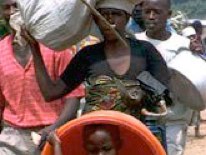
You just started a journey along with one of the most forsaken group of people on Earth: the Rwandan Hutu Refugees in the Democratic Republic of the Congo (DRC). Recently, other Rwandan ethnic groups have joined the exile and swell the refugee population, rendered stateless for the last decades. The journey, started by an ethnic group hunted down, has become an exodus movement of three ethnic groups: Hutu, Tutsi, Twa.
For decades, they have lived in the Congolese jungles, tracked like animals by the government in their country of Rwanda, killed, massacred, raped, preyed upon. They were forsaken by the international community, treated of all names. Yet, they survived. They lived. They are a living proof of human resilience against tyranny, greed, and absolute contempt of human life: They are survivors.
Survivor is not enough. They long for their home.



{ 1 comment… read it below or add one }
I think that is a fair point; the Rwandan massacre what lead to the international community seriously debating how to react effectively when citizens’ human rights are grossly and systematically violated within a nation’s borders.The core of the issue is whether states have unconditional sovereignty over their affairs or whether the innotnatieral community has the right to intervene militarily in a country for humanitarian purposes. If Rwanda had a right to unconditional sovereignty, then the UN acted correctly in standing by and watching a million Rwandans be massacred. If the international community only has a right to intervene, then arguably they didn’t do anything wrong either a right is not an obligation. This is how the initial discussion about the right to humanitarian intervention evolved into the now well-established concept of a “responsibility to protect”.One of the issues faced by the UN that I mentioned was the member states’ concern with public reaction to them sending peace-keeping troops. Many of the UN member states are fully-fledged democracies if the majority of their citizens are against their country participating in an intervention does this give the country a justification in not participating in such an intervention?